










November 19, 2026


When B2B sales cycles stretch into weeks or months, the bottleneck rarely sits in the initial discovery call. Instead, deals stall in the messy middle—where sales reps, estimators, and finance teams pass static spreadsheets back and forth trying to assemble an accurate quote.
As product catalogs expand and buyer expectations for rapid turnaround increase, legacy quoting methods break down. Manual copy-and-paste workflows introduce pricing errors, incompatible product bundles, and unapproved discounts that quietly erode margins. Implementing dedicated quote manager software transforms quoting from an administrative chore into a repeatable, governed revenue engine.
Rather than treating proposals as isolated documents, modern Configure, Price, Quote (CPQ) platforms centralize product logic, automate pricing approvals, and give sales leaders end-to-end visibility from initial draft to signed contract.
Key takeaways
- Spreadsheets create hidden revenue leaks: Manual quoting processes lead to version control confusion, outdated supplier costs, and configuration mistakes that delay deals and trigger costly rework.
- Centralized rules enforce accuracy at scale: Dedicated quote manager software anchors every proposal to a single source of truth for SKUs, dependencies, and margin thresholds.
- Purpose-built AI accelerates complex scoping: Unlike generic text generators, AI-powered CPQ platforms can read technical drawings, RFPs, and blueprints to populate validated line items automatically.
- End-to-end tracking improves forecast reliability: Integrated analytics reveal exactly when prospects open proposals, which sections hold their attention, and where deals stall in the pipeline.
The hidden cost of ad-hoc quoting workflows
Many growing organizations rely on a patchwork of Word documents, PDF editors, and master Excel price books long after outgrowing them. While spreadsheets feel flexible in the early stages of a business, they become a liability once multiple reps quote custom configurations simultaneously.
Consider what happens when a supplier updates raw material costs or engineering modifies a component specification. In a spreadsheet-driven environment, someone has to update the master file, email the team, and hope every rep downloads the new version before sending their next bid. Inevitably, at least one rep uses an outdated sheet sitting on their desktop—resulting in a quote that either undercuts corporate margin targets or promises discontinued hardware.
Beyond pricing mistakes, ad-hoc quoting creates severe onboarding friction. New sales hires often spend six to ten months shadowing senior reps just to learn which products work together and how to structure complex bids. Without guardrails built directly into the quoting tool, institutional knowledge remains trapped in the heads of a few veteran estimators.
Core capabilities of high-performing quote manager software
Transitioning to purpose-built quote manager software eliminates manual friction by uniting catalog governance, dynamic proposal pricing, and document generation in one cloud workspace. When evaluating platforms, revenue leaders should look for five foundational capabilities.
1. Guided product and pricing configuration
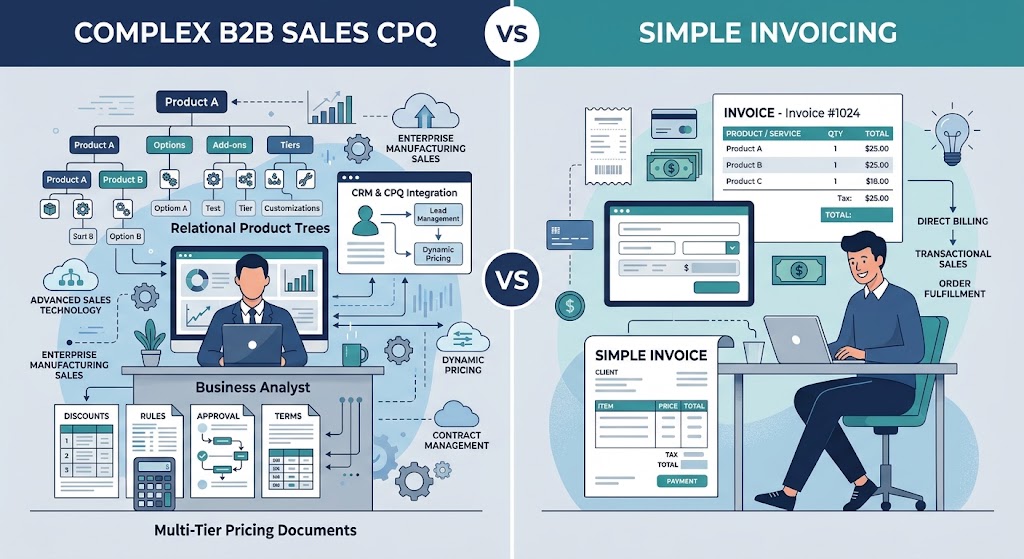
Complex B2B sales require more than a flat price list. A robust configurator guides reps through valid product combinations using relational rules—automatically adding required accessories, flagging incompatible components, and applying volume tiers or rate cards in real time. With iQuoteXpress’s dedicated product and pricing configuration engine, organizations can model intricate industry rules—from dimensional calculations in window and door manufacturing to multi-zone equipment bundles—so reps configure accurate orders on the first try.
2. Dynamic, brand-consistent proposal templates
A quote is often the most tangible representation of your brand a buyer sees before signing. Relying on reps to format documents manually wastes hours and produces inconsistent layouts. Using customizable proposal templates, teams can standardize cover letters, terms and conditions, technical spec sheets, and itemized pricing tables. Reps simply select the appropriate template, and the system merges customer data, line-item descriptions, and visual assets into a polished, client-ready document in seconds.
3. Automated approval workflows and margin protection
Discounting is a normal part of B2B negotiation, but unchecked discounting destroys profitability. Quote manager software enforces margin guardrails at both the line-item and overall quote levels. If a rep enters a discount that dips below an approved threshold, the platform automatically routes the quote to a sales manager or finance director for sign-off before the document can be sent externally.
4. AI-assisted ingestion and catalog intelligence
The newest leap in quote management involves artificial intelligence—not just for rewriting cover letters, but for interpreting complex technical inputs. Through AI in CPQ, iQuoteXpress enables teams to upload unstructured project files such as architectural blueprints, CAD drawings, DWG files, and dense RFPs. The AI engine scans the files, extracts quantities, dimensions, and specifications, and matches them directly against validated catalog rules—turning days of manual takeoff work into minutes while enforcing strict governance to prevent hallucinations.
5. Bidirectional CRM and ERP synchronization
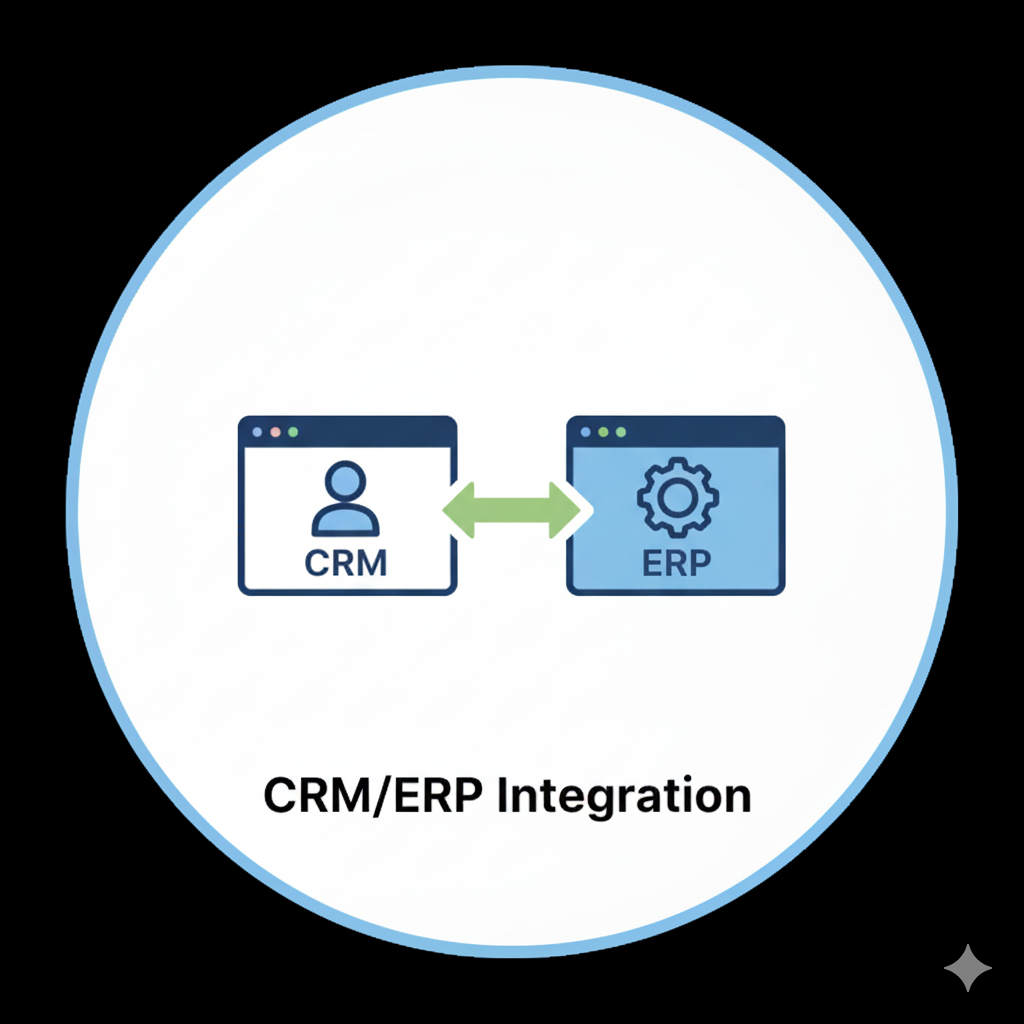
Quoting software should never operate as an isolated data island. Effective CPQ CRM integration ensures account details, contact records, and opportunity stages flow seamlessly between your CRM—such as Salesforce, Microsoft Dynamics 365, HubSpot, or Zoho—and your quoting workspace. Once a quote is generated or revised, line-item totals and PDF attachments sync automatically back to the CRM opportunity, keeping pipeline forecasts accurate without double data entry.
Measuring impact with granular sales analytics
Once proposals leave the building, visibility often disappears—unless your quoting system tracks buyer engagement. Modern quote management replaces guesswork with actionable telemetry.
By leveraging built-in sales analytics, managers gain real-time insight into proposal status, rep activity, average deal size, and win rates across product categories. Reps receive alerts the moment a prospect views a proposal or forwards it to another stakeholder, allowing them to time follow-up calls when buyer interest is highest. Over time, historical quote data helps leadership identify which product bundles close fastest, where discounting clusters, and how long it takes reps to move opportunities from initial draft to closed-won.
How to transition from spreadsheets to structured quote management
Rolling out quote manager software does not require a multi-year IT overhaul. Organizations achieve the fastest return on investment by taking a phased, data-first approach:
- Audit and clean your product catalog: Consolidate duplicate SKUs, standardize naming conventions, and document core compatibility rules before importing data.
- Prioritize high-volume quote types: Start by automating your most frequent configurations or standard templates to deliver immediate time savings to the sales floor.
- Establish clear discount tiers: Define exact margin floors and approval chains so automated routing replaces ad-hoc email sign-offs.
- Integrate with your core CRM: Connect contact and opportunity records early so reps work inside a unified workflow from day one.
When implemented with clean catalog data and intuitive templates, quote manager software empowers every rep to quote with the speed and precision of your top estimator.
Frequently asked questions (FAQs)
1. What is quote manager software?
Quote manager software is a specialized business application—often synonymous with Configure, Price, Quote (CPQ) software—that automates the creation, configuration, pricing, approval, and tracking of B2B sales quotes and proposals. It replaces manual spreadsheets and static documents with a centralized product catalog and automated pricing rules.
2. How does quote manager software reduce proposal errors?
By anchoring quotes to a relational product tree and centralized price book, the software prevents sales reps from selecting incompatible parts, omitting required accessories, or quoting outdated prices. Automated approval workflows also block unauthorized discounts before a proposal reaches the buyer.
3. Can small and mid-sized businesses benefit from quote manager software, or is it only for enterprises?
SMBs often see the fastest ROI from quote manager software because lean sales teams cannot afford to lose hours to administrative formatting or costly quoting mistakes. Platforms like iQuoteXpress offer accessible per-user pricing, rapid deployment, and white-glove catalog setup tailored to growing teams.
4. How does AI improve quote management beyond basic writing tasks?
While basic AI tools only draft introductory text, AI-powered CPQ platforms analyze unstructured technical files—like CAD drawings, blueprints, and RFPs—and cross-reference extracted requirements directly against your product catalog to build accurate, margin-protected line-item quotes automatically.
5. Does quote manager software integrate with existing CRM and accounting tools?
Yes. Modern quote management platforms offer out-of-the-box integrations and single sign-on with leading CRMs (such as Salesforce, Zoho, Microsoft Dynamics 365, and HubSpot) as well as ERP and accounting systems (including Oracle, Acumatica, SAP, and QuickBooks) to eliminate duplicate data entry.


+38 trusted us
Contact us today for a free demo and see how our solution can help your business
The best way to learn about us is to see for yourself. We respect your privacy. No nonsense.

If you prefer, contact us by email!
sales@iquotexpress.com
